
If you’ve ever brought home a houseplant only to watch it slowly decline, you’re not alone. Many beginner plant owners feel frustrated because they water their plants, place them near a window, and still can’t keep them alive. With so much conflicting advice online, it’s easy to feel like you’re doing everything wrong.
The truth is, most indoor plants don’t die because of a lack of effort—they die because of a few very common beginner mistakes. The good news is that these mistakes are easy to fix once you know what to look for. In this guide, we’ll walk through the most common reasons indoor plants struggle and show you simple, realistic ways to keep your plants healthy without complicated routines or guesswork.
If you’re looking for easy plants to start with, see our guide to the best indoor plants for beginners.
The 7 Beginner Mistakes
❌ Mistake #1: Overwatering Your Plants
Overwatering is the most common reason indoor plants struggle, especially for beginners. Many people assume that watering more often means better care, but most houseplants actually prefer their soil to dry out slightly between waterings. Constantly wet soil can prevent roots from getting oxygen and may lead to root rot, which is difficult to reverse.
The fix is simple: always check the soil before watering. If the top inch or two still feels damp, it’s better to wait a few more days. Many beginners find a moisture meter helpful, as it removes the guesswork and makes it easier to know when a plant actually needs water.
❌ Mistake #2: Watering on a Strict Schedule
Watering on a fixed schedule, like every Sunday or every three days, can do more harm than good. Indoor plants don’t use water at the same rate all the time — light, temperature, humidity, and even the season affect how quickly soil dries out. A plant that needs water once a week in summer may only need it every two weeks in winter.
Instead of following a schedule, get into the habit of checking the soil regularly. This small shift helps you respond to what your plant needs rather than following a routine that may not match its environment. Learning to observe your plants is one of the most important skills for long‑term success.
❌ Mistake #3: Not Giving Plants Proper Drainage
Drainage is something many beginners don’t think about, but it plays a huge role in plant health. When a pot doesn’t have drainage holes, excess water has nowhere to go and stays trapped at the bottom of the soil. This can quickly lead to soggy roots and unhealthy plants, even if you’re watering carefully.
To avoid this, always use pots with drainage holes or containers designed to manage excess water. Many beginners prefer using a self‑watering planter, which helps regulate moisture while still preventing water from sitting in the soil. Proper drainage makes plant care much more forgiving, especially when you’re still learning.
❌ Mistake #4: Giving Plants the Wrong Light
Light is one of the most misunderstood parts of indoor plant care. Many beginners place plants in direct sunlight thinking more light is always better, but harsh sun can scorch leaves and stress plants. On the other hand, placing plants too far from any light source can slow growth and weaken them over time.
Most beginner‑friendly indoor plants prefer bright, indirect light, such as near a window with filtered sunlight. If you’re unsure, start with indirect light and observe how your plant responds. Adjusting placement slightly can make a big difference without changing anything else.
❌ Mistake #5: Starting With Too Many Plants at Once
It’s easy to get excited and bring home several plants at the same time, but caring for too many at once can feel overwhelming. Each plant may have slightly different needs, which makes it harder to notice problems early when you’re still learning.
A better approach is to start with one or two easy plants and focus on understanding how they behave in your space. As your confidence grows, adding more plants becomes much easier and more enjoyable.
❌ Mistake #6: Watering the Leaves Instead of the Soil
Some beginners water by pouring water over the leaves, especially with plants that have dense foliage. While it may seem harmless, wet leaves can sometimes lead to fungal issues and don’t help the roots absorb water.
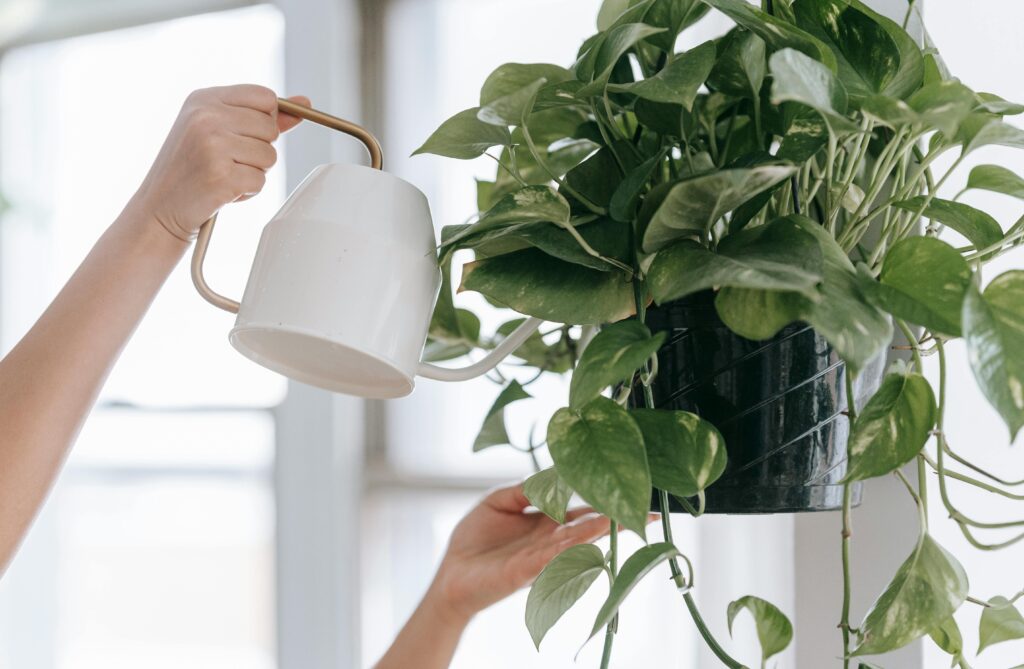
Instead, aim to water directly at the soil level. Using a watering can with a narrow spout makes this easier and helps deliver water exactly where the plant needs it. This small change can improve plant health almost immediately.
❌ Mistake #7: Expecting Perfect Results Right Away
Many people give up on indoor plants because they expect instant success. Drooping leaves, slow growth, or small imperfections are normal, especially while you’re learning. Plants are living things, and they often take time to adjust to a new environment.
Rather than aiming for perfection, focus on progress. Each mistake teaches you something valuable, and even experienced plant owners lose plants occasionally. With patience and simple care habits, keeping indoor plants alive becomes much easier over time.
Quick Fix Summary for Beginner Indoor Plant Care
If your indoor plants are struggling, small changes can make a big difference. Always check the soil before watering instead of following a strict schedule, and make sure your plants have proper drainage so excess water can escape. Place plants in bright, indirect light rather than harsh direct sun, and start with just one or two plants while you’re learning. Most importantly, don’t expect perfection—indoor plant care is a learning process, and even minor improvements can lead to healthier, happier plants over time.
Helpful Tools for Beginner Indoor Plant Owners
While indoor plants don’t need a lot of equipment, a few simple tools can make plant care much easier for beginners. These tools aren’t required, but they can help prevent common mistakes and build confidence as you learn.
A moisture meter is especially helpful if you’re unsure when to water, as it takes the guesswork out of checking soil moisture. Many beginners also like using a self‑watering planter, which helps regulate moisture and reduces the risk of overwatering. A watering can with a narrow spout makes it easier to water the soil directly, keeping leaves dry and minimizing mess.
Using simple, beginner‑friendly tools can make indoor plant care feel less stressful and more manageable as you build your routine.
Keeping indoor plants alive doesn’t require perfect care or a green thumb—it just takes a few simple adjustments. By avoiding common beginner mistakes and paying attention to what your plants need, you can create a routine that actually works for your space. Start small, be patient with yourself, and remember that learning as you go is part of the process. With time and a little consistency, caring for indoor plants becomes much easier and far more enjoyable.
Pingback: The Only 3 Tools Beginner Indoor Plant Owners Actually Need - Easy Indoor Plant Care