
If you’re new to indoor plants, it’s easy to feel overwhelmed by conflicting advice, complicated care routines, and the fear of “doing it wrong.” Plant care doesn’t have to be complicated to be successful. With some pointers and a few beginner‑friendly tools, anyone can keep indoor plants healthy and thriving.
Our goal is simple: to make indoor plant care easy, practical, and approachable for beginners. We focus on low‑maintenance plants, simple routines, and realistic advice you can stick to—no jargon, no perfection (or green thumb) required.
This post contains affiliate links. If you purchase through these links, we may earn a small commission at no extra cost to you.
What Makes a Plant “Beginner‑Friendly”
Not all houseplants are created equal, especially for beginners. Beginner‑friendly plants are forgiving and adaptable, which means they can handle a few mistakes while you’re still learning. These plants don’t need constant attention, strict watering schedules, or perfect lighting conditions. They tolerate missed waterings, adjust well to low or indirect light, and grow at a manageable pace. Most importantly, they tend to show clear signs when something’s wrong, giving you time to fix it. Choosing plants with these qualities makes indoor plant care far less stressful and much more enjoyable when you’re just starting out.
The Plant List
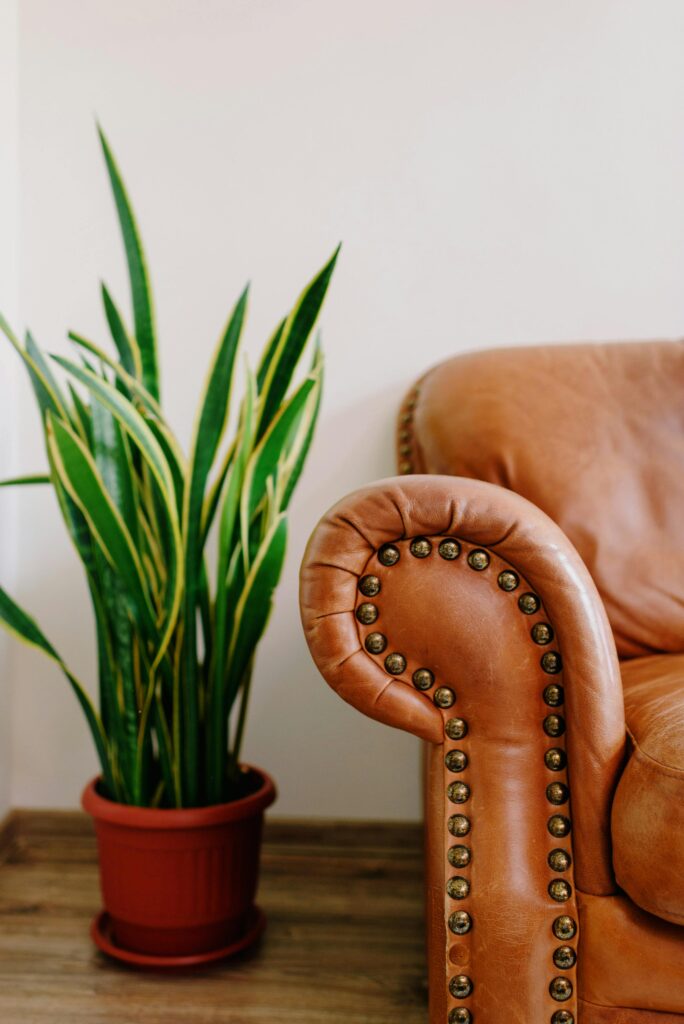
Snake Plant (Sansevieria)
Why it’s great for beginners
The snake plant is one of the easiest indoor plants to care for and is extremely forgiving if you forget about it. It tolerates low light, irregular watering, and dry indoor air, making it ideal for first‑time plant owners.
Light:
Low to bright indirect light. It adapts well to most indoor spaces, including darker corners.
Water:
Water only when the soil is completely dry. Overwatering is the most common mistake with snake plants. A moisture meter can help with this.
Beginner tip:
If you’re unsure whether to water, wait a few more days. Snake plants prefer being slightly neglected rather than watered too often.
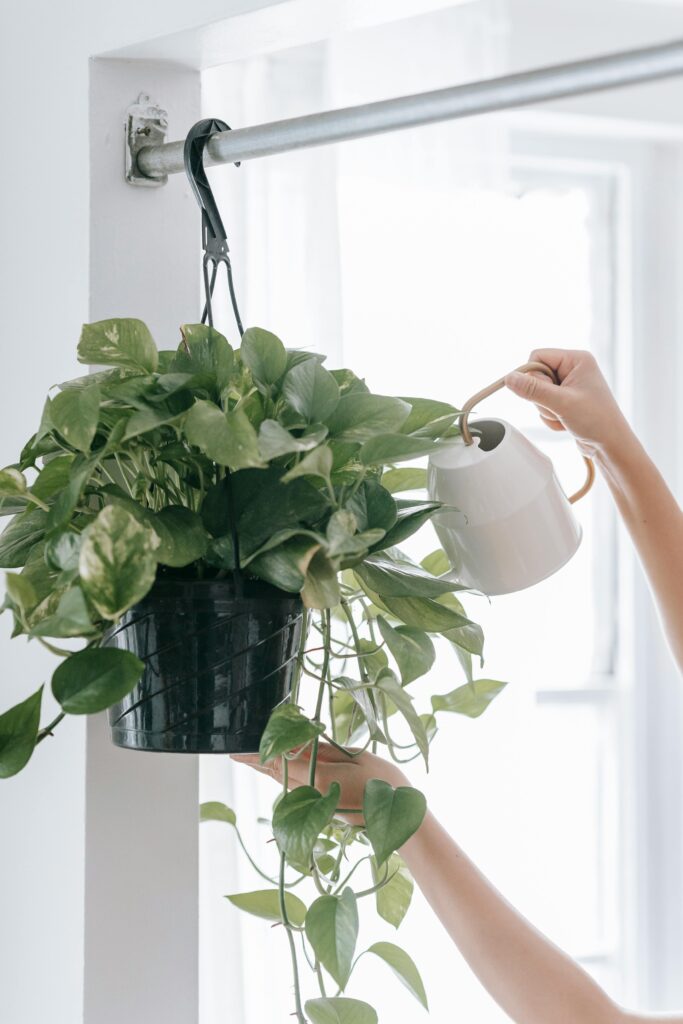
Pothos
Why it’s great for beginners
Pothos is incredibly forgiving and grows well in a wide range of indoor conditions. It’s known for surviving missed waterings and adapting easily to different light levels.
Light:
Low to bright indirect light. It will grow faster in brighter light but survives just fine in low light.
Water:
Water when the top inch of soil feels dry. Pothos can also thrive living in water completely!
Beginner tip:
If the leaves start to droop slightly, it’s usually just thirsty—a good sign you can fix quickly.
ZZ Plant (Zamioculcas zamiifolia)

Why it’s great for beginners
The ZZ plant is one of the toughest houseplants you can own. It stores water in its roots, making it very tolerant of neglect.
Light:
Low to medium indirect light. Avoid direct sunlight.
Water:
Water only when the soil is completely dry.
Beginner tip:
This plant prefers too little water over too much—overwatering is the main thing to avoid.
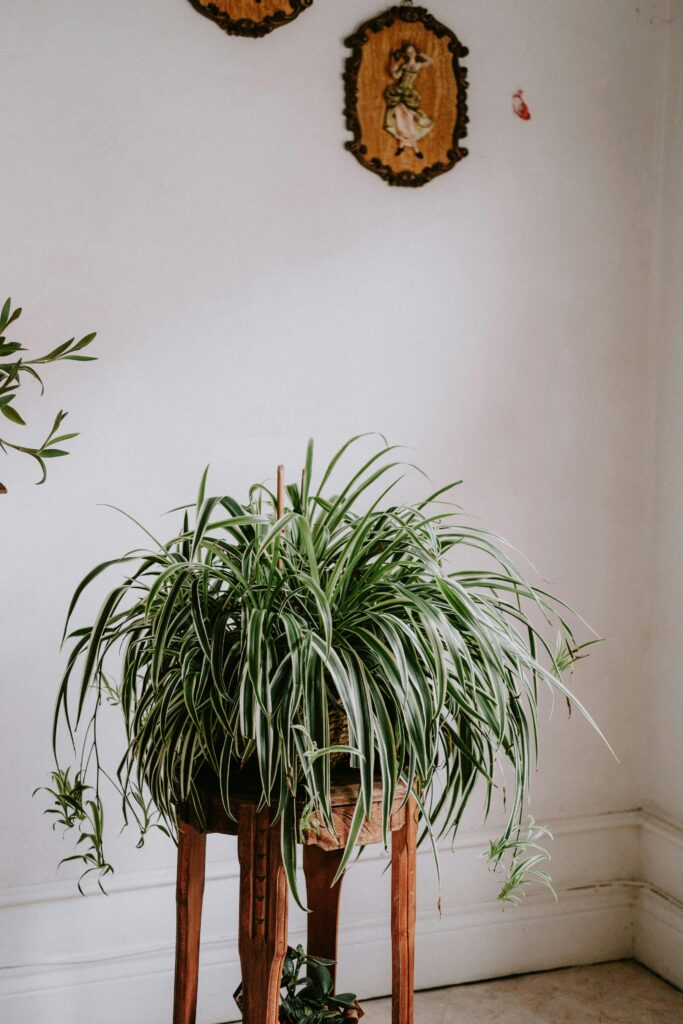
Spider Plant
Why it’s great for beginners
Spider plants are fast‑growing, forgiving, and very clear when they need care. They’re also great for beginners because they produce baby plants.
Light:
Bright to medium indirect light.
Water:
Water when the top inch of soil dries out.
Beginner tip:
Brown leaf tips are common and usually harmless—don’t panic if you see them, they’re usually caused by the contents in your tap water.
Chinese Evergreen (Aglaonema)
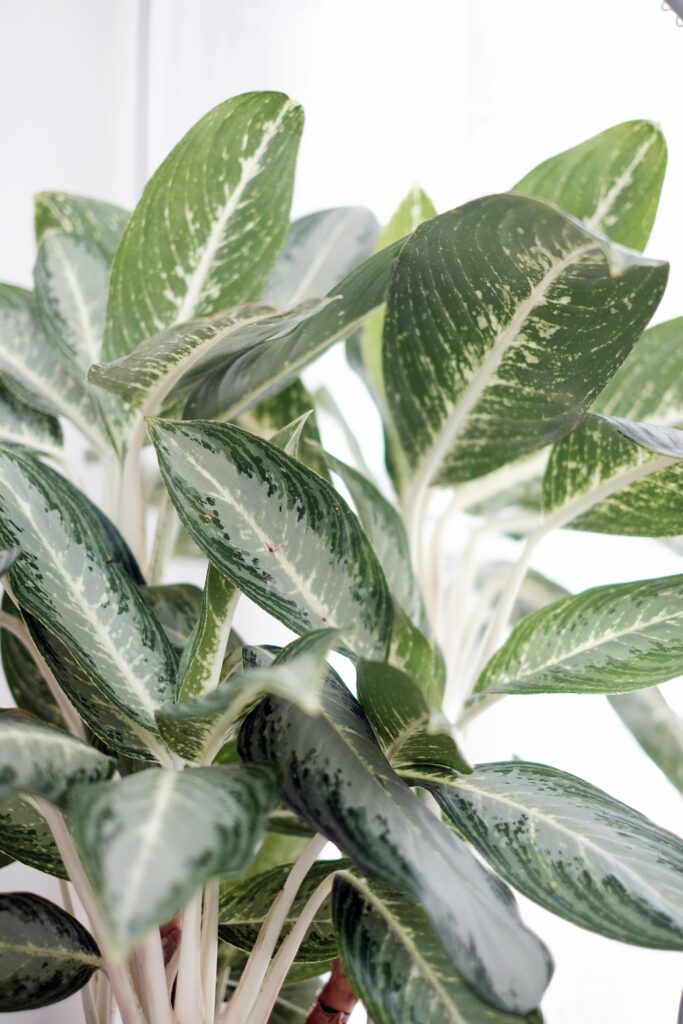
Why it’s great for beginners
Chinese evergreens are adaptable, slow‑growing, and tolerant of lower light conditions, making them very low maintenance.
Light:
Low to medium indirect light.
Water:
Water when the top inch or two of soil is dry.
Beginner tip:
Avoid cold drafts — these plants prefer stable indoor temperatures.
Rubber Plant
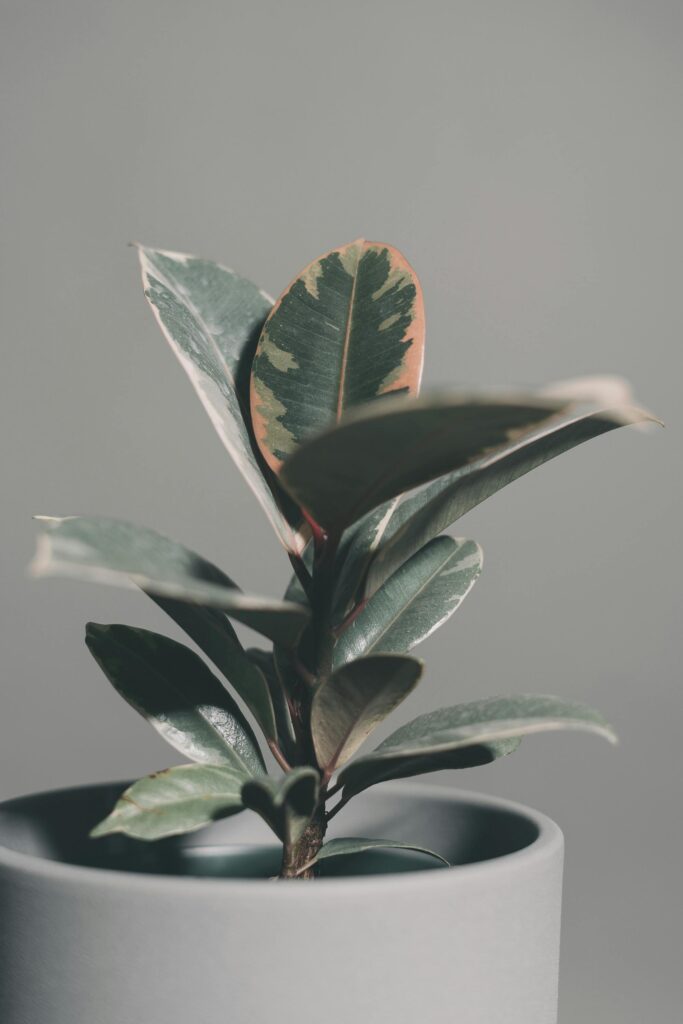
Why it’s great for beginners
Rubber plants are sturdy and forgiving, with thick leaves that hold moisture and handle minor care mistakes well.
Light:
Bright indirect light is best, but it adapts to medium light.
Water:
Water when the top couple of inches of soil are dry.
Beginner tip:
Wipe the leaves occasionally to keep them dust‑free and healthy.
Cast Iron Plant
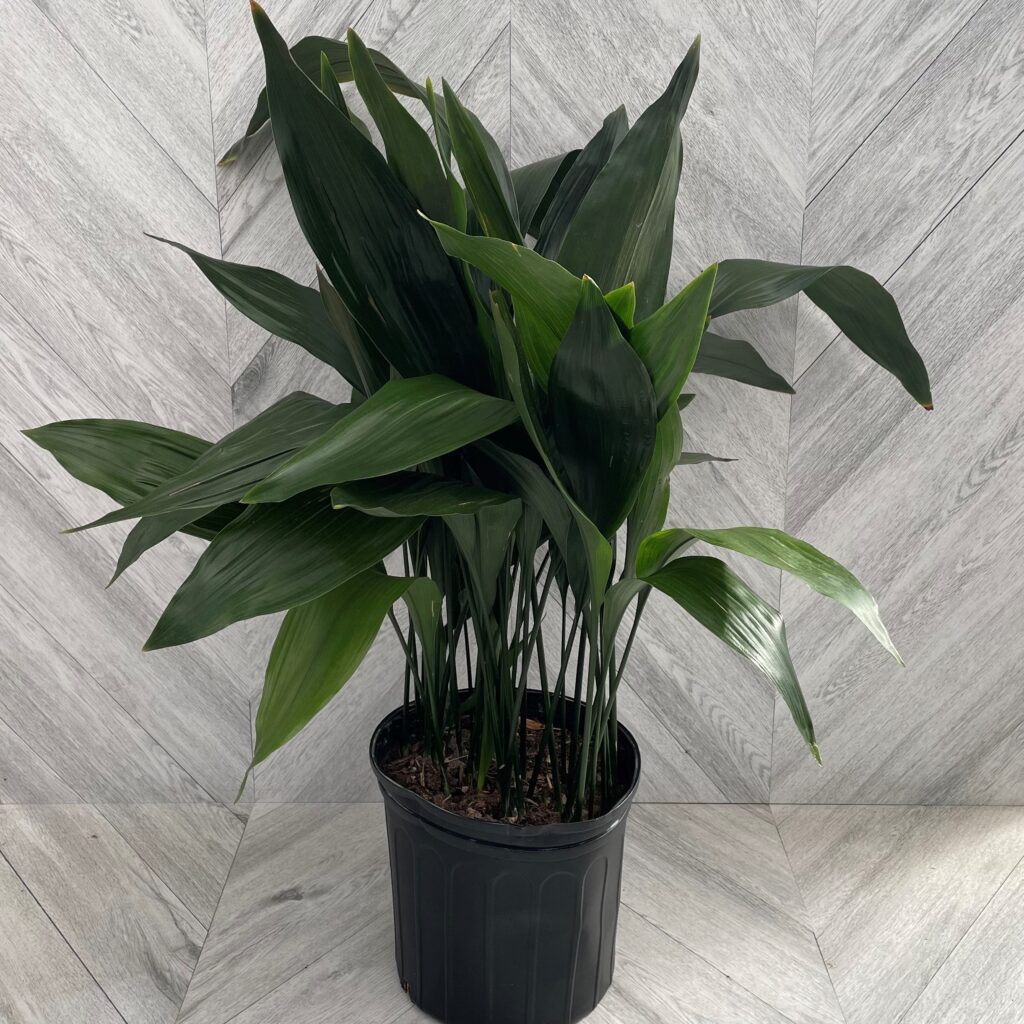
Why it’s great for beginners
True to its name, the cast iron plant is extremely hardy and tolerant of low light, inconsistent watering, and indoor conditions.
Light:
Low to medium indirect light.
Water:
Water when the soil is mostly dry.
Beginner tip:
This plant thrives on neglect — don’t overthink its care.
Quick Beginner Care Tips
If you’re new to indoor plants, keeping things simple is the best way to succeed. One of the most common mistakes beginners make is watering on a strict schedule. Instead, always check the soil first—most indoor plants prefer to dry out slightly between waterings. Indirect light works best for many beginner plants, so avoid placing them in harsh, direct sunlight. It’s also better to start with just one or two plants rather than filling your home all at once. As you gain confidence, you can slowly add more. Remember, a little imperfection is normal—healthy plants don’t need perfect care, just consistent and reasonable attention.
Helpful Tools for Beginner Indoor Plant Care
While many indoor plants can survive with just light and water, a few simple tools can make plant care much easier for beginners. These aren’t required, but they can help prevent common mistakes and reduce stress as you’re learning.
A moisture meter is especially helpful for beginners, as it removes the guesswork from knowing when to water. Many new plant owners also find that a self‑watering planter helps keep plants consistently hydrated without overwatering. Tip: always opt for a plant pot with drainage, it prevents water from sitting at the bottom of the A watering can with a narrow spout also makes it easier to water the soil directly, keeping leaves dry and mess to a minimum.
Starting with beginner‑friendly indoor plants is the easiest way to build confidence and enjoy the process of plant care. You don’t need perfect conditions or a strict routine—just a few forgiving plants and simple habits. If you’re new to houseplants, try starting with one or two from this list and learn how they respond in your space. Over time, caring for indoor plants becomes less about rules and more about observation.